
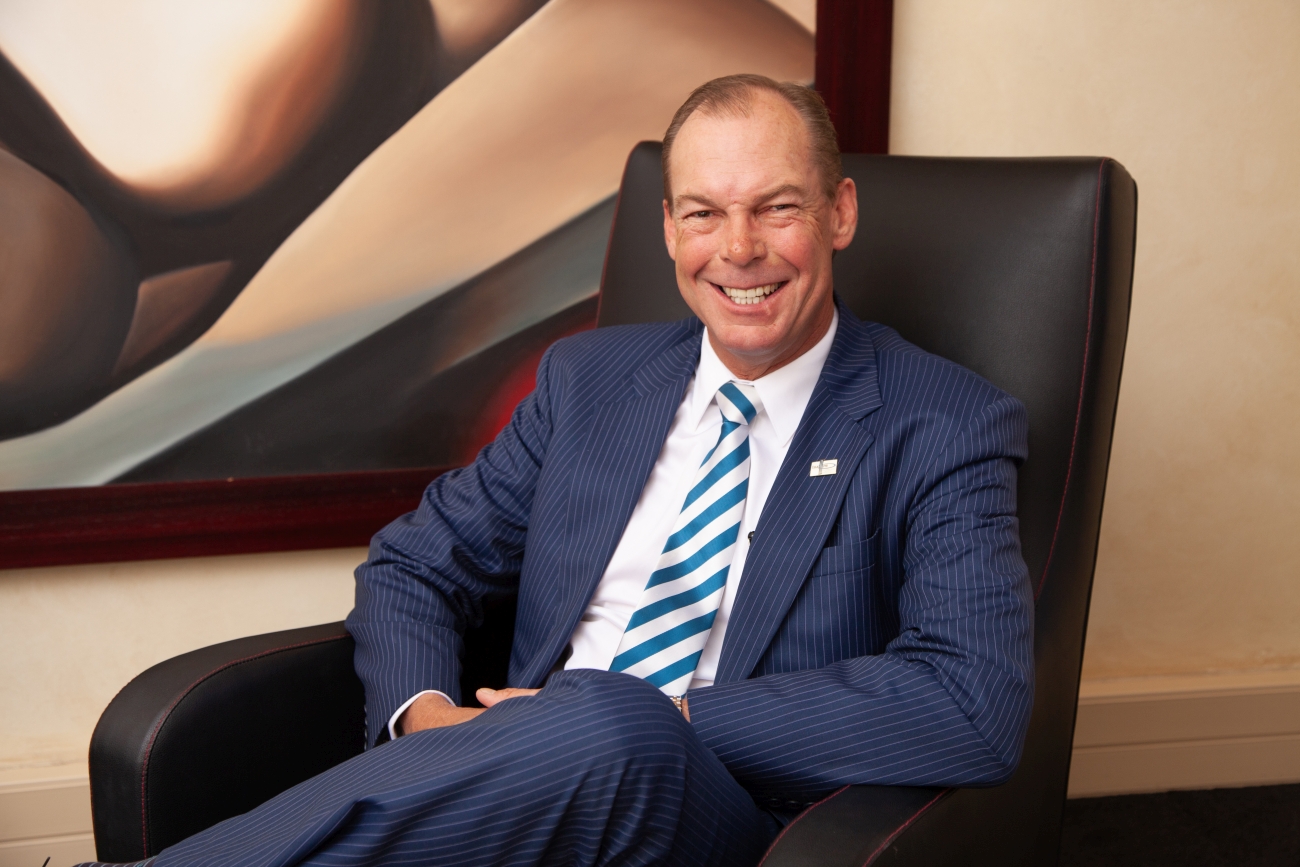
Dr Chris Snijman is a facial cosmetic plastic and reconstructive surgeon based in Sandton, Johannesburg. He is a past president of APRASSA and a member of ISAPS, ASAPS, SORSSA and the European Rhinoplasty Society. In his words:
As a facial cosmetic plastic surgeon, precision, patient safety and predictable outcomes are central to the way I practise. Surgery is only one part of a patient’s treatment. The quality of skin preparation, recovery and longer-term maintenance can also influence the overall patient experience and the way results are supported over time.
For that reason, I am selective about the skincare products and technologies I introduce into my practice. I am cautious of products that rely heavily on marketing language without a clear clinical rationale. Anything I recommend to my patients needs to make sense within a structured treatment plan and needs to be appropriate for the stage of recovery or maintenance we are addressing.
An integrated portfolio, not isolated products
Skintronics has given me access to a broader, integrated portfolio rather than a collection of isolated products or devices. That is important in practice because good aesthetic care starts with assessment, moves into an appropriate treatment choice and then continues through recovery and maintenance. Skintellect forms the skincare component of that approach, while Skintronics’ diagnostic, treatment and delivery technologies allow us to build a more considered patient pathway.
Skincare staged to the phase of recovery
Cleanse provides a gentle starting point for skin that needs effective cleansing without unnecessary irritation. Rescue is the product I use most frequently in the early recovery phase, when the priority is to soothe, hydrate and support compromised or sensitised skin. As recovery progresses, Energise and Awaken can be introduced to support hydration, skin quality and a return to a more complete skincare routine.
Polish is introduced only once the skin is ready for exfoliation, and Revitaleyz is particularly useful for the delicate periorbital area, including patients undergoing blepharoplasty and other facial rejuvenation procedures. What I value is the ability to build the products into a staged regimen rather than treating post-procedure skincare as a one-product solution.
Objective assessment before treatment
An important addition is the Aram Huvis skin analysis technology. I value objective assessment because it gives the practitioner and patient a clearer starting point before deciding on treatment. Depending on the analyser and configuration, Aram Huvis technology can assess parameters such as hydration, sebum, pores, melanin, wrinkles and sensitivity, with imaging that can also be used to follow changes over time. In my view, that makes the consultation more meaningful: treatment is based on what we can assess rather than simply on what we assume the skin needs.
Treatment is based on what we can assess rather than simply on what we assume the skin needs.
Choice of delivery, matched to the objective
Alongside analysis, I use selected Eunsung technologies supplied by Skintronics, including the Vital Injector 2 and HydraBeauty. The Vital Injector 2 provides controlled delivery for appropriate injectable skin-quality treatments, while HydraBeauty offers a non-surgical option for cleansing, hydration and ongoing skin maintenance. I also see value in the TurtlePin needle range as part of the broader treatment portfolio. Having different delivery options allows a trained practitioner to select the approach and depth appropriate to the treatment objective, anatomical area and individual patient rather than applying one technique to every indication.
What appeals to me about the Skintronics portfolio is the way the components can work together. The analyser can help establish the baseline and identify priorities; the practitioner can then select an appropriate device, injectable or skin treatment; TurtlePin provides another controlled delivery option where indicated; and Skintellect supports the skin before and after treatment and through longer-term maintenance. It creates a logical sequence of analyse, treat, support and reassess rather than selling a device or product in isolation.
Technology supports judgement; it does not replace it
These technologies are not substitutes for clinical judgement, correct patient selection or appropriate technique. Their value lies in how they can be incorporated into a structured treatment programme by trained practitioners. For me, that breadth is one of Skintronics’ strengths: diagnostic technology, professional treatment devices, delivery systems, injectable and regenerative treatment categories, and home-care skincare can sit within one clinical strategy while still allowing the practitioner to decide what is appropriate for each patient.
Trust is central to the relationship I have with my patients. That responsibility extends beyond the operating theatre to the products, devices and treatment protocols I recommend. I prefer to work with technologies and ranges that I have assessed in practice and that fit logically into the way I manage patients before, during and after treatment.
Skintronics has become valuable to my practice because its portfolio supports that continuum of care. It gives practitioners the ability to assess more intelligently, select from different treatment modalities, support recovery and then reassess progress. That is a far stronger clinical model than relying on a single product, treatment or piece of equipment.
Dr Chris Snijman
Facial Cosmetic Plastic Surgeon, Johannesburg
MBBCh (Wits), FCS (SA) Plast · Facial Plastic Surgeon
Past President APRASSA · National Ombudsman APRASSA · Chairman APRASSA Research Trust
ISAPS, ASAPS, RSE and SORSSA member
drsnijman.co.za